
For a long time, I lived in the U.S., where I observed how people thrive on a „go, go, go“ lifestyle. It’s something even American doctor Rachel Brewer mentions in an upcoming interview: basically, life is all about hustling. Americans work hard, and that’s part of why they succeed. The U.S. is built on ambition, performance, and relentless effort. But that kind of life demands time—a lot of time.
They have big houses but rarely spend time in them. Often, they’re just a place to sleep before the next day’s grind begins. And I asked myself: Is this really how I want to live? Wouldn’t it be worth it to truly experience life a little more?
For me, slow living means exactly that: slowing down and being more present. It’s about stopping the autopilot mode. When I’m grocery shopping, I don’t want to be thinking about what I need to do in an hour or worrying about tomorrow morning. I just want to be here, now.
That’s when I started embracing slow living a little more intentionally.
Seeking High Standards at a Low Cost
This mindset also led me to believe that I’d feel more at home in countries where:
- Life is not very expensive – so I wouldn’t need to spend much money or work as hard.
- People live slower – they’re not rushing through life, constantly sprinting toward the next thing.
But then I learned an important lesson…
When „Slow“ Becomes Too Slow: Expectations Meet Reality
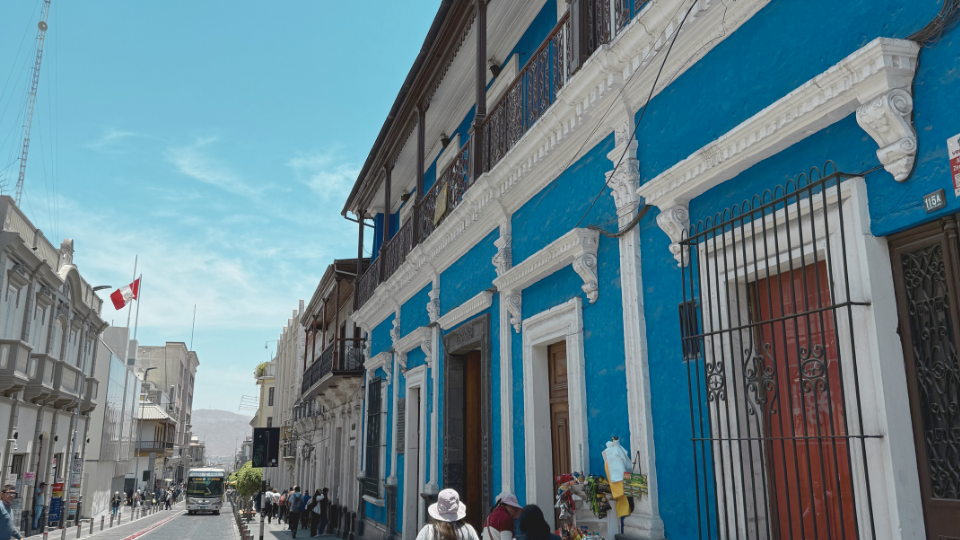
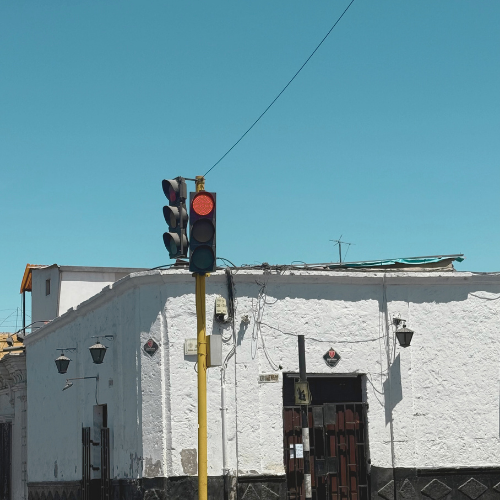
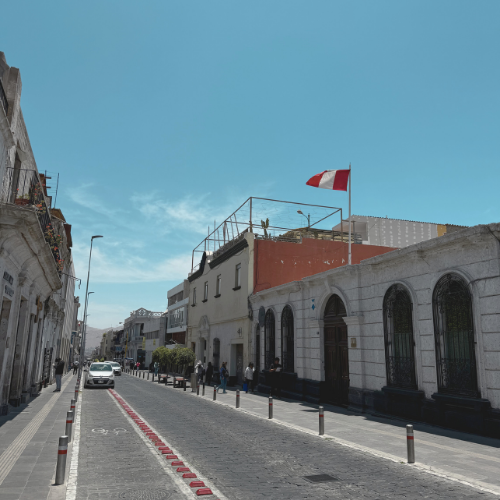
My romanticized ideas about slow living quickly collided with the reality of the Peruvian mañana lifestyle.
In Peru, „slow“ takes on an entirely different meaning. Time stretches endlessly: four days might as well mean four months, and „within five years“ could just as easily mean „maybe in thirty.“ Nothing seems to work because every solution is wrapped up in that magical word—wait.
Story About a Trip That Never Happened
Take, for example, the time I rented a car. It cost me twice as much as it would in the U.S., with half the comfort. But I told myself: money comes and goes, but this trip is a chance to see something special.
I planned a visit to Colca Canyon, just a four-hour drive away. Hot springs, breathtaking views… exactly what I needed.
Two hours into the drive, I hit a traffic jam. Odd, because I was in the middle of nowhere—just a handful of cars and plenty of stray dogs along the way.
I waited. For an hour. And then another.
Finally, I worked up the courage to ask someone what was going on.
„Roadwork,“ they said. „When we work, no one drives.“
Apparently, the work was scheduled to finish at 5:30 p.m. It was 3:00 p.m.
This was the only road for miles. There wasn’t a single sign warning about this closure. I thought, surely they could manage alternating traffic? But then I remembered: I was in a place where nothing really works. I could almost hear the road workers laughing: „Typical European, can’t handle a little wait.“
Frustrated, I turned around and drove the two hours back, without seeing a single view …
The kicker? I’m pretty sure I was the only one who cared about the delay. The locals? They’re masters at waiting.
They wait. Anywhere, anytime, for anything. And they do it calmly. It’s their way of life.
The Takeaway: Extremes Don’t Work
I’m still a believer in slow living. I’m still searching for it—inside myself, in my surroundings. But if there’s one thing this experience taught me, it’s that extremes aren’t healthy. In anything.
And in this case, too slow was one of them.